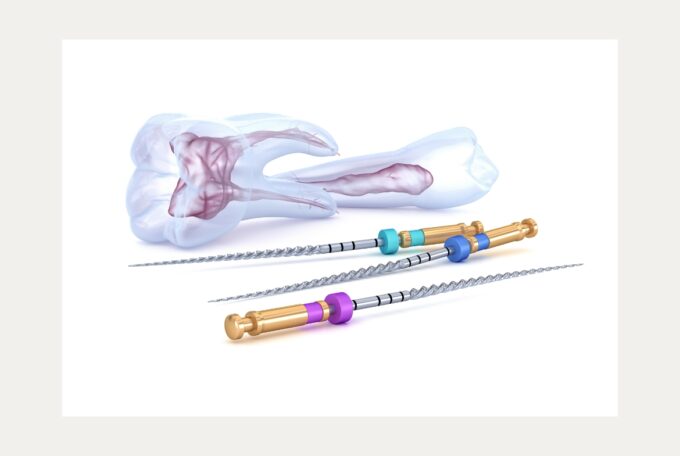

Let’s be honest: the words “root canal” can sound a little intimidating. But the good news is that root canal treatment is designed to save your natural tooth and relieve the discomfort caused by inflammation or infection inside it. Your dentist may recommend this treatment if the inside of your tooth needs extra care. Some root canals can be completed by your usual dentist, while more complex cases may be referred to a dentist with additional expertise in endodontic treatment.
Step 1: Your Dental Referral
Your journey begins with your dentist. If they feel you would benefit from specialist endodontic care, they will talk this through with you and ask for your permission before sending your referral to us at KentEndo.
Once we receive your referral, we aim to offer an initial consultation within two weeks. If you are in acute pain, we can also offer emergency appointments. And when it comes to your personal information, you are in safe hands: KentEndo is registered with the Information Commissioner’s Office and follows the required data protection principles, so your details are used only to help us provide the highest standard of care.
Step 2: Your Initial Consultation
At your first appointment, one of our highly trained dentists will take a close look at the tooth causing trouble. This usually includes x-rays and further checks to confirm your dentist’s findings and understand exactly what is going on.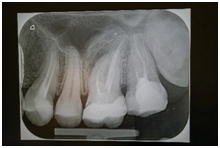
After the assessment, we will talk you through a personalised treatment plan. This will include what treatment is needed, how long it is likely to take, and the expected costs. In most cases, you will continue to see the same dentist throughout your treatment with us, so you can feel comfortable and supported from start to finish.
Step 3: Your Treatment Plan
Before treatment begins, we will make sure the area is numb with a local anaesthetic, so you can feel as comfortable as possible. The dentist then creates a small opening in the top of the tooth to reach the pulp, which is the soft tissue inside the tooth.
Using fine instruments, the dentist carefully removes the nerve tissue, cleans the root canals, and uses disinfectants to help remove bacteria. X-rays may be taken during the process to check the length and shape of the tooth roots. Once everything is clean, the space is filled with a material called gutta-percha, which helps seal the tooth and reduce the chance of bacteria returning.
Step 4: Back to Your Dentist
Once your root canal treatment is complete, the tooth will be restored with a white composite filling or an amalgam filling. In some cases, a post may be needed to help build the tooth up before a crown is made.
You will then be referred back to your dentist for a crown, which helps protect and strengthen the tooth for the long term. We also recommend periodic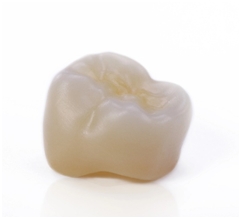 monitoring to check that the bone around the root end is healing well. The first review is usually at six months, followed by annual checks for up to four years.
At KentEndo, our aim is simple: to provide excellent care in a relaxed, calm environment, helping you feel informed and confident at every stage. If you have any questions or concerns, please do not hesitate to speak to one of our team on 01622 225555.